
Tooth pain that shows up around an old filling can feel pretty alarming, especially when nothing seemed wrong the day before. That sudden ache or dull soreness might leave you wondering what’s going on. If you have a tooth-colored composite filling, you likely chose it for how well it blends in with your smile. These fillings are a popular option because they match the natural shade of your tooth and do not stand out. But like everything else, fillings go through wear and tear. At Avenue Dental in Austin, tooth-colored fillings are made from BPA-free composite resin mixed with fine glass particles, so they are built to be durable while blending in with your natural teeth.
When a filling starts to hurt, it’s not something to brush off. Pain is a useful signal that gives you a heads-up that something may need to be checked. Acting early can help keep things simple. Ignoring discomfort might turn a minor fix into a bigger repair. If you’ve noticed pain or sensitivity around a filling, the steps you take next matter.
Common Reasons a Filling Might Start to Hurt
A filling that once felt comfortable can cause pain for a few different reasons. Sometimes it’s easy to guess why it might be irritated, while other times you may not see anything wrong at all. Small issues can hide below the surface.
Here are some ways a filling might become uncomfortable:
• The filling has loosened or cracked. Over time, biting and chewing can weaken your filling, especially if you often chew hard or crunchy foods. If the filling shifts, cracks, or lifts even slightly, the tooth underneath can become exposed.
• Decay has returned around the filling. A tooth isn’t done just because it has a filling. If bacteria sneak in around the edges, a cavity can start forming again under or around the filling. That can make the area feel sore or sensitive.
• Fillings wear down. Every time you chew, that filling takes on pressure. After a few years, a smooth surface might become uneven. That can change how your teeth fit together and sometimes make one spot take more pressure than normal.
The source of pain is not always visible, which is why it is better not to wait too long before having someone take a look.
What to Do First When You Notice Discomfort
Sudden pain around a filling does not mean panic. But noticing the small details can help you figure out what might be happening and what to point out when you talk with your dentist.
There are a few simple steps that can help right away:
• Pay attention to when the pain shows up. Does it happen when chewing? When drinking something cold? Does it last a few seconds or linger? These clues help narrow down what might be going on.
• Stay away from foods that could make it worse. Very chewy things like sticky candy or hard snacks can tug at or add pressure on an already weak filling.
• Watch for changes in temperature sensitivity. If cold drinks or hot coffee suddenly bother the tooth, the filling may no longer fully protect it.
These are not things you need to fix yourself, but noticing them helps make the next appointment more useful. The more specifics you have, the faster a dentist can figure out what is bothering you.
When to Call Your Dentist
Some discomfort comes and goes. But if tooth pain sticks around for more than a day or two, or starts to get sharper, you are better off not waiting it out. Not all pain is the same.
Here are some signs that it is time to make the call:
• Pain continues even when eating soft foods
• Sharp jabs of discomfort when biting down
• Swelling or warmth near the filled tooth
• A strange taste near the spot, which could mean leaking or decay
If any of these show up, do not try to push through it. Fillings do not repair themselves, and some problems can get worse the longer they are left alone. Only a dental visit can help understand what is really going on inside or around the tooth.
What to Expect During a Dental Visit
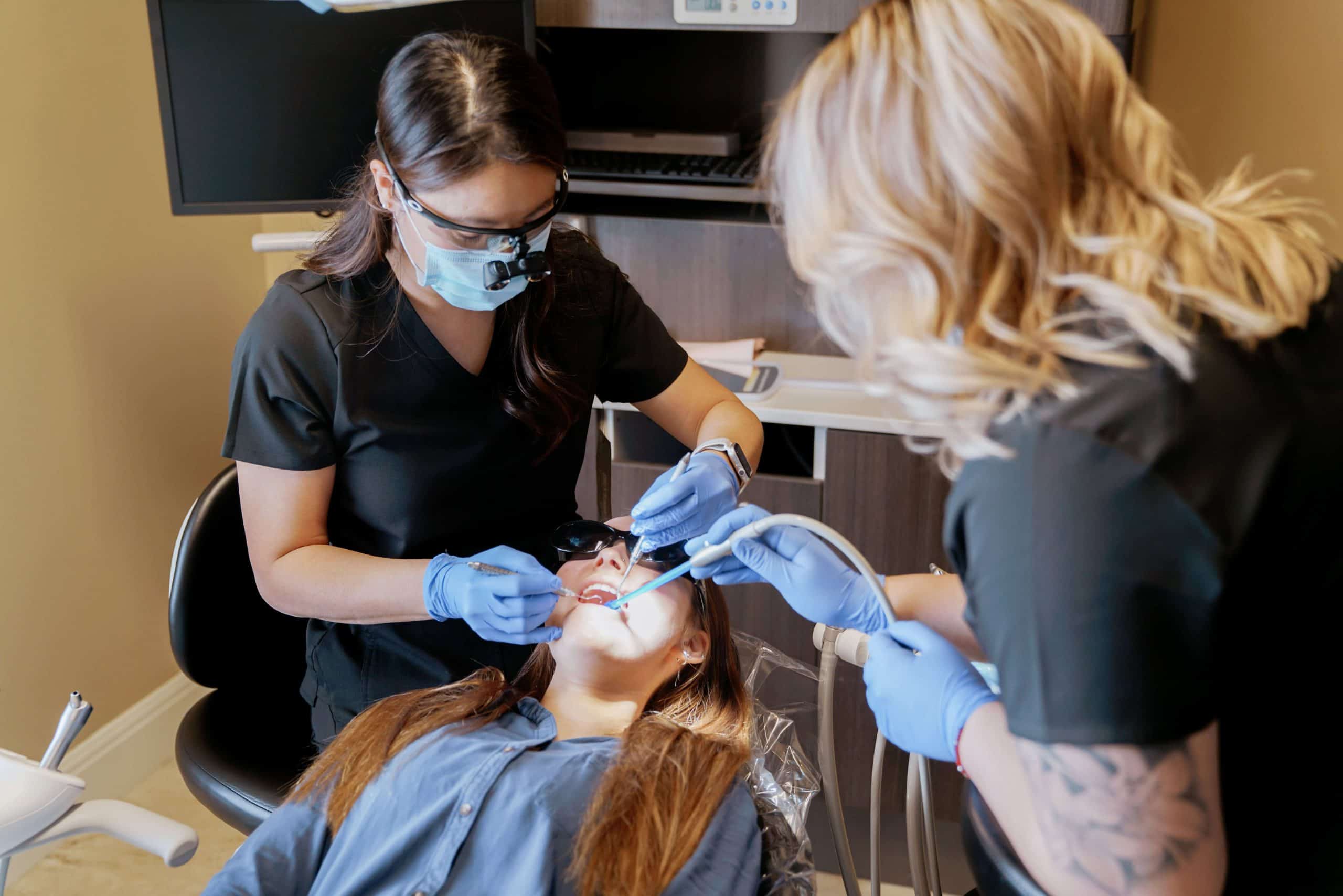
Once you are at the office, the dentist will do an exam to check the area where the pain is happening. That often includes a physical look at the filling, possibly a scan or x-ray, and some gentle pressure testing.
Depending on what they find, they might suggest one of the following steps:
• Smoothing out the filling if it is worn or causing irritation
• Removing and replacing it if there is a crack, gap, or shifting
• Treating any decay that may have started under the old filling
If an update is needed, they may suggest another tooth-colored composite filling. These blend in easily with the rest of your tooth and can last for years when looked after properly. The process usually does not take very long, and you can often get back to eating normally soon after.
How to Help Prevent Future Problems
Once a new filling is in or the pain has been handled, a bit of routine care can go a long way in helping it last. Many of the same things that help your natural teeth stay healthy apply to fillings too.
Try the following habits to lower the chance of new issues:
• Brush your teeth gently with a soft-bristled brush, especially around filled areas
• Use a toothpaste that is not too abrasive, to avoid wearing down the surface
• Floss every day to keep the edges of the filling clean and clear of buildup
• Stay on track with your regular cleanings and checkups
Those simple daily habits are the best way to help spot early signs of wear. When fillings are checked often, small issues can be fixed before they grow into something that leads to discomfort. At Avenue Dental, we have offices in North Austin and South Austin and accept many PPO insurance plans, with options like CareCredit financing and our in-house savings plan for patients without insurance, which helps make needed filling repairs more manageable.
Keep Your Smile Comfortable and Healthy
Tooth pain around a filling can show up out of nowhere, but that does not mean you are stuck with it. Often, it is a small repair that can prevent bigger problems later. Being aware of how your teeth feel and acting quickly when something is off gives you a better chance at keeping everything comfortable and working the way it should.
Tooth-colored composite fillings do a good job of blending your repair with the look and feel of your natural teeth. With a little care and regular attention, they can stay in place for years. The earlier you listen to the signs your mouth gives you, the easier it often is to fix.
Discomfort near a past repair might indicate that you need a closer look, and we are here to help you move forward with the right care. Whether pain appears suddenly or builds slowly, it is often a sign that something around the tooth needs attention. A refreshed solution like a tooth-colored composite filling can smooth things out and help match your natural enamel without standing out. At Avenue Dental, we are here for patients throughout Austin, TX who want their smiles to feel as good as they look. Give us a call to schedule a time that works for you.